 Minglyph
Chinese character art, built from the glyph itself.
Create with a single character, a Chinese name, or mixed Chinese-English text. Begin with the exact characters, then explore light, paper, texture, or sculptural form while keeping their structure recognizable.
Free public preview · No sign-up · Free accounts include 6 private generations
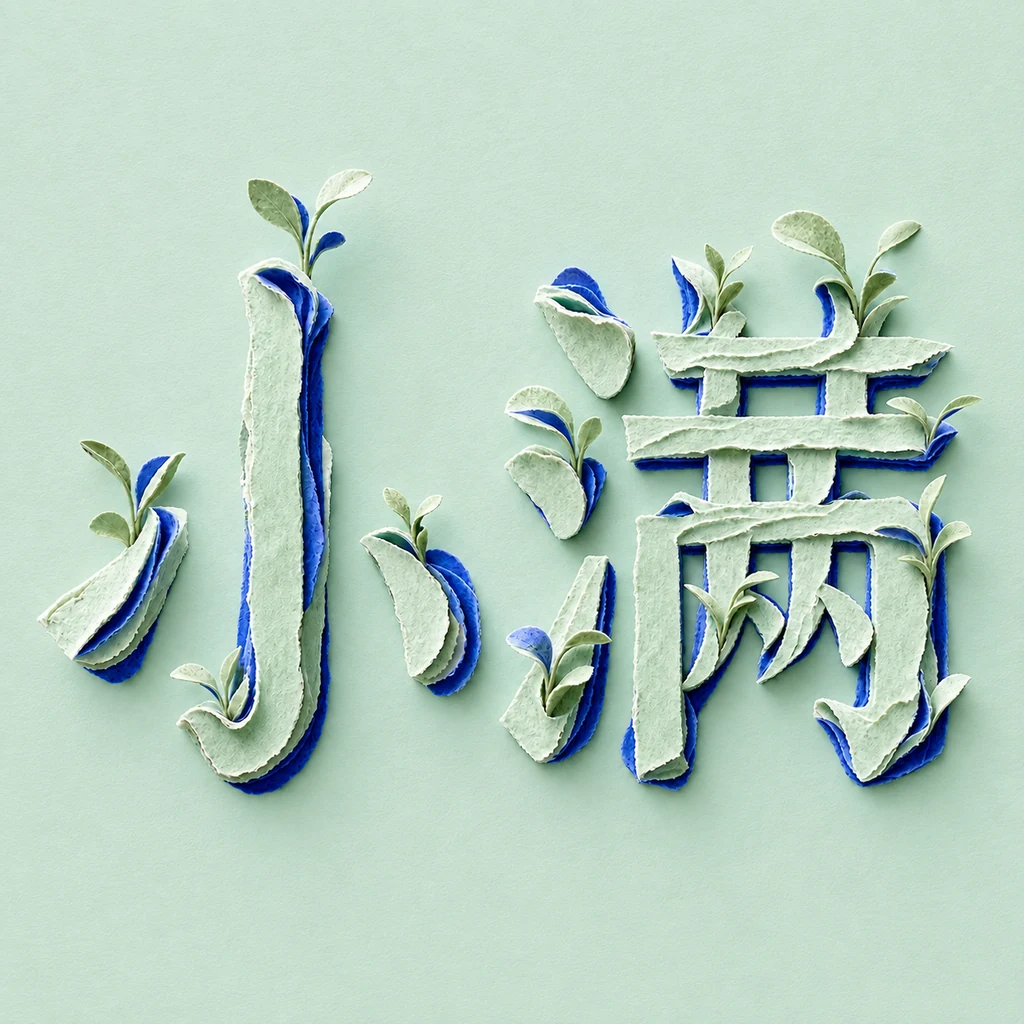
Respect the character before interpreting it.
Chinese characters already carry structure, history, and reading conventions. The job is not to decorate them until they disappear. Start from the correct glyph, identify the semantic idea, and make one move that still leaves the character legible.
- 01
Begin with the correct glyph
Use the intended simplified or traditional form and verify every component.
- 02
Work with its structure
Let the visual idea respond to radicals, balance, negative space, or stroke direction.
- 03
Keep interpretation controlled
One intervention is easier to read, explain, and refine than a collage of symbols.
Meaning can live inside the strokes.
These studies treat each character as the composition, not as a label added after the image.
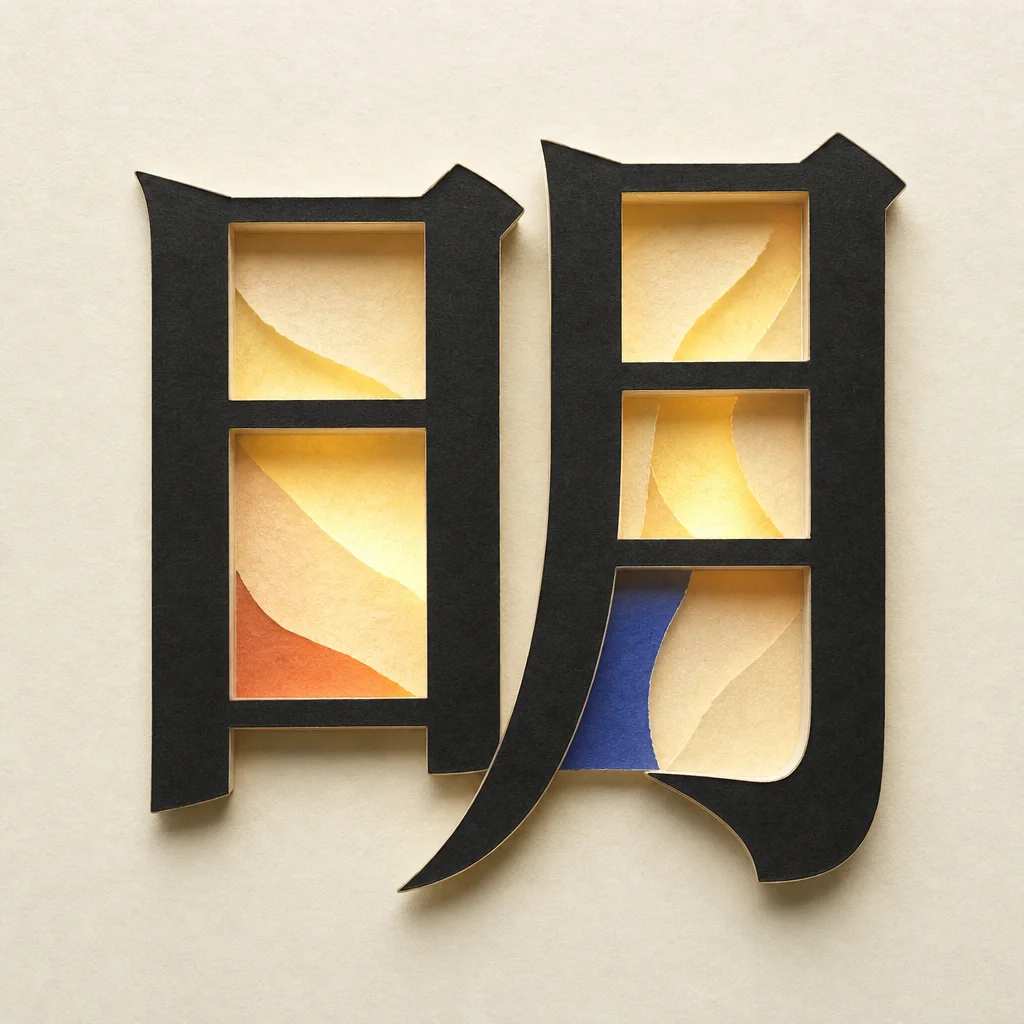
The visual idea follows the character’s own semantic relationship.
Layered paper brings growth and breathing room to two readable characters.
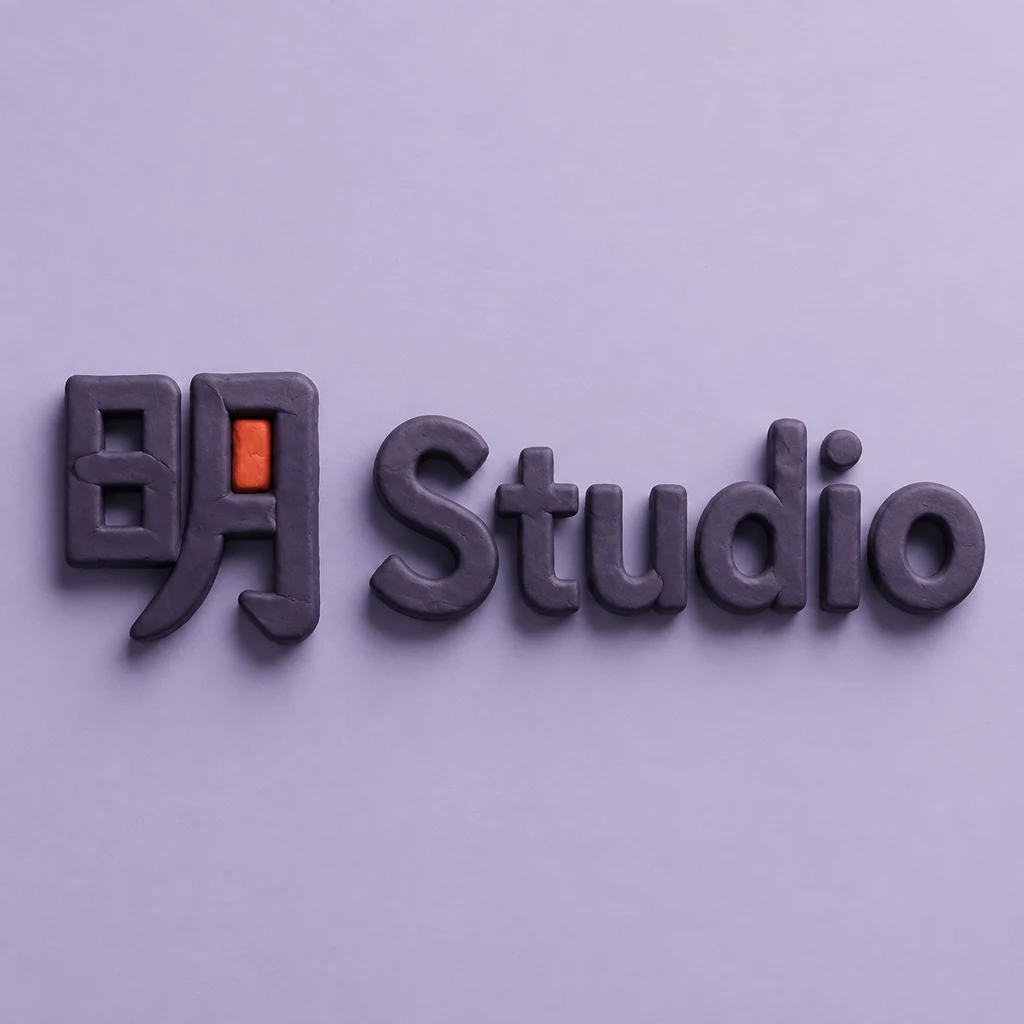
A shared material brings Chinese and English into the same composition.
From text to your next artwork.
- 01
Enter the exact characters
Use a single glyph, a name, or mixed text. Confirm every character and its intended form.
- 02
Name the intended idea
Describe the quality, story, or metaphor that should emerge from the glyph.
- 03
Verify the result
Ask a fluent reader to check components and legibility before publishing important work.
A beautiful shape is not enough if the character is wrong.
Generative images can alter strokes or invent details. Review the result against the exact source character, including component placement and simplified-versus-traditional form. Minglyph provides a creative study, not linguistic, calligraphic, or legal certification.
Useful before you generate.
How does Chinese character art differ from a font effect?+
A font effect applies a surface treatment. Minglyph starts with the character’s meaning and structure, then uses one visual rule to make that relationship visible.
Can I use traditional Chinese characters?+
You can enter the exact character you need, including a traditional form. Because image generation can alter details, compare the result with the source glyph and ask a fluent reader to review it.
Does this generate Chinese calligraphy?+
The goal is meaning-led character art, not faithful reproduction of a historical calligraphy style. You can explore organic or editorial treatments, but the result should be reviewed as generated artwork.
Can I use the result for a tattoo or permanent mark?+
Do not rely on an unreviewed generation for a permanent use. Confirm the exact character, meaning, cultural context, and final drawing with a qualified fluent reviewer or artist first.