 Minglyph
Keep the name. Give it a new expression.
Turn a Chinese name into a considered visual artwork. Begin with the exact characters, choose the feeling you want to express and explore a paper, sculptural or typographic direction without asking the tool to rename you.
Free public preview · No sign-up required · See plans and downloads
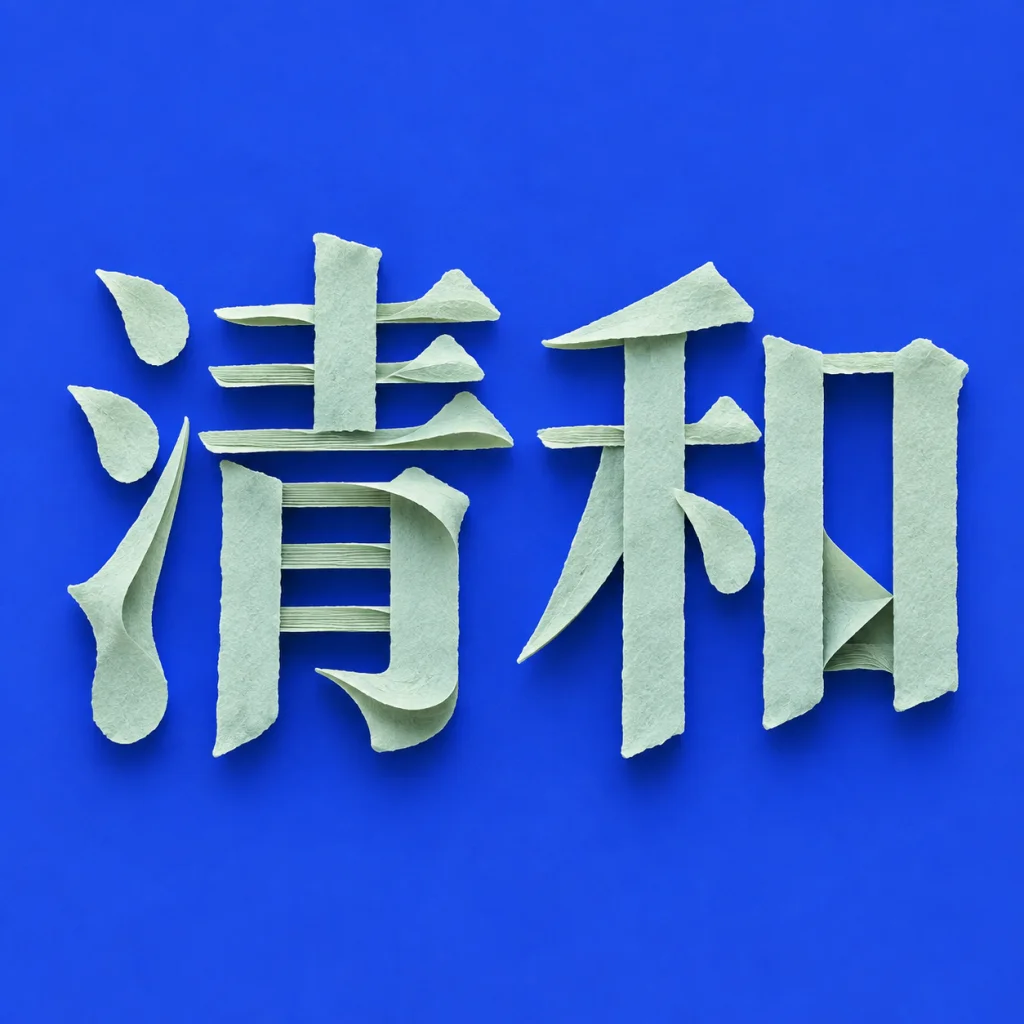
Choose the characters before choosing the look.
A name’s written form matters. Copy the exact simplified or traditional characters you intend to use and keep them unchanged while comparing visual directions. This workflow renders supplied text; it does not translate an English name or determine which Chinese name is appropriate for a person.
Let the meaning guide one visual choice.
You can describe what the name means to you or the quality it should carry. That idea might become a contained fold, a change in weight or a material shared by all the characters. Preserve the complete structure of each character. Decorative material should make the name more expressive without disguising a radical or joining separate strokes.
Review mixed scripts as one composition.
For a name such as 明 Studio, compare the Chinese and Latin parts for visual weight and spacing. They do not have to share identical shapes to feel related: a consistent material, palette or rhythm can connect them. Check the result with someone who reads the characters before publishing a gift, identity or other lasting use.
Another way to approach the letters.
Selected studies with their own briefs. Open a direction and replace the text with yours.
A name that holds a little calm.
Use this direction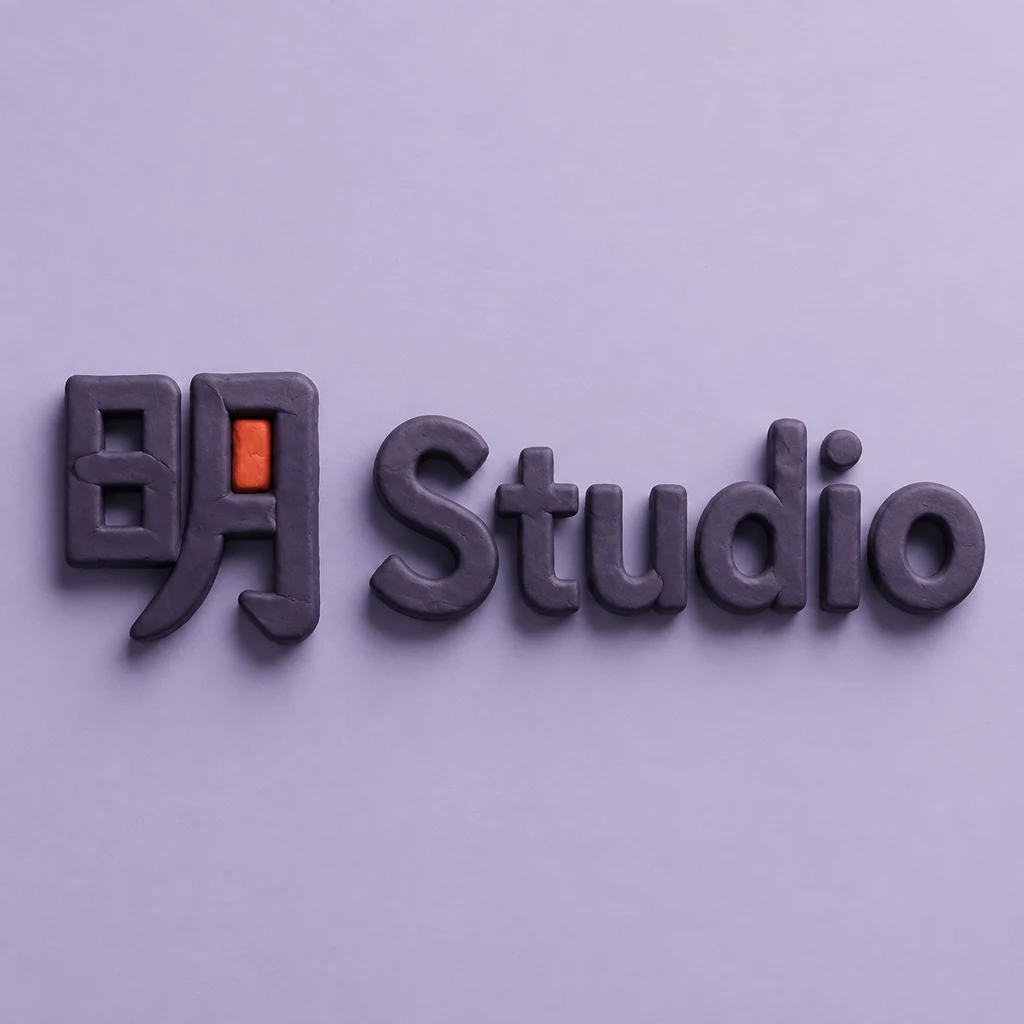
Two scripts find a shared rhythm.
Use this directionFrom your text to a considered image.
- 01
Paste the correct characters
Use the exact name you already know, preserving traditional or simplified forms and any Latin text.
- 02
Describe the intended feeling
Start with layered paper, then refine the meaning, palette or style in Studio.
- 03
Check the character structure
Inspect every radical and stroke. A pleasing image is not enough if the written name has changed.
Before you create.
Will this translate my name into Chinese?
No. Supply the Chinese characters you intend to use. Name translation and character selection are separate language decisions.
Can I use traditional Chinese?
Yes. Enter the exact traditional characters. Minglyph accepts Unicode text; review the output to confirm that generation has preserved those forms.
Can I combine Chinese with English?
Yes. Mixed names and brand terms are supported within the 40-character limit. Use spacing intentionally and inspect both scripts.
Is the output authentic calligraphy?
This is contemporary AI typography and name artwork. It should not be presented as the work of a calligrapher or as a verified model for learning stroke order.